
The Adriatic is rarely just calm or rough. It changes character with wind, pressure, temperature, season, and coastline shape, and that is why the same stretch of sea can feel inviting in the morning, tense by noon, and restless by evening. Learning to read the Adriatic Sea means paying attention to small signals: the line of the horizon, the colour of the water, the direction of clouds, and the way the air feels on the skin before the first wave rises.
Why the Adriatic feels different from other seas
The Adriatic coast is long, indented, and full of islands, channels, and exposed capes. These features break up the sea into many local microclimates. A weather forecast may describe one broad region, but the actual sea condition in a sheltered bay can differ sharply from the open water only a short distance away.
This is especially true in Croatia, where the eastern Adriatic combines mountain ranges, narrow passages, and warm seasonal contrasts. In summer, the sea often appears friendly and predictable, yet even then a calm day can shift quickly under changing pressure or storm development. In winter, the sea becomes more transparent, colder, and often more dramatic, with stronger winds and sharper wave patterns. Travelers planning longer coastal stays often benefit from choosing the right base, especially when thinking about holiday accommodation.
The three moods every visitor should recognize
The easiest way to understand the Adriatic weather is to think in moods rather than numbers alone.
Calm and glassy
When the sea looks almost polished, with only soft ripples near the coast, conditions are usually stable. Light wind, high visibility, and warm summer air often create this relaxed mood. Early morning is the classic time for it. On these days, boats move smoothly, beaches feel sheltered, and even distant islands look close enough to touch.
Still, a flat sea does not always mean the whole forecast is safe. If the air feels heavy, humid, and unusually still, that quiet surface may come before a storm.
Restless and breathing
A slightly textured sea, with regular short wave lines and shifting reflections, often signals a moderate wind pattern. This is common during the warmer part of the day, when land and sea temperatures begin to pull air in different directions. The Adriatic then feels alive rather than dangerous: sails fill, the coast cools, and open channels show more movement than protected coves.
For many travellers, this is the sea at its most beautiful because it feels dynamic without becoming hostile.
Dark, sharp, and demanding
When the water turns steel-blue or grey, with broken white tops and fast-moving gusts, the sea is no longer simply scenic. It is delivering information. Strong changes in pressure, incoming rain, or a strong wind from a known direction can turn the Adriatic from inviting to serious within a short time.
This mood deserves respect, especially in exposed areas of the central Adriatic and south Adriatic, where open fetch and channel acceleration can increase wave height quickly.
Bura: the wind that defines the eastern Adriatic
No discussion of the Adriatic Sea is complete without bura. This is the famous north to north-easterly wind known for its dry air, sudden gusts, and exceptional force. It descends from the land toward the sea, often strengthened by the mountains behind the Croatian coast.
Bura usually brings clearer air and better visibility, but that beauty can be deceptive. The sea under bura is often chaotic rather than evenly rough. Instead of long rolling waves, you may see short, steep, aggressive water with spray lifting off the surface. In winter, bura can feel especially severe because low temperature and dry wind combine into a harsh chill.
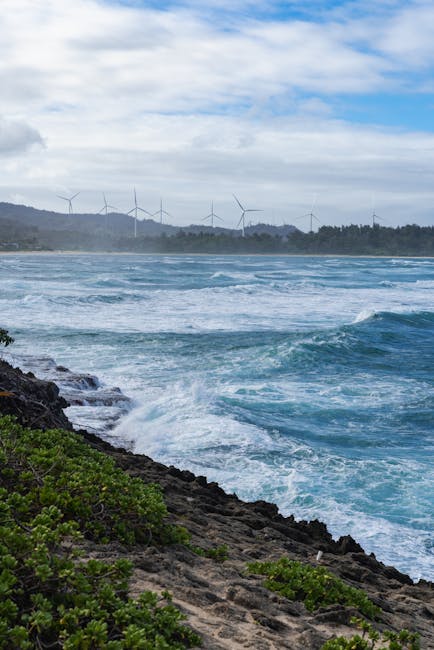
For coastal travellers, bura often means that one bay may seem manageable while the next headland is completely exposed. Reading the sea in these conditions requires attention to orientation: a place protected from the north can remain calm while nearby open water is deeply unsettled.
Southern winds and the heavier face of the sea
If bura is sharp and dry, the wind from the south is usually heavier, softer in texture, and more humid. On the Adriatic, this southern flow often builds a more rolling and organized wave pattern. The sky can turn milky or layered, the horizon less distinct, and the air may carry moisture long before the first rain arrives.
This is the sea many people describe as “moody.” The water rises in longer intervals, marinas begin to move, and even the coast seems quieter. In the south Adriatic, where the sea is deeper and more open, southern winds can produce a fuller, more powerful motion than in sheltered northern waters.
A southern pattern is often easier to spot in advance because the atmosphere changes gradually. Pressure may fall, clouds gather, and the entire landscape feels slower and heavier over time.
How region changes the experience
The Adriatic is not uniform. The central Adriatic often feels like a balance point, shaped by island passages, ferry routes, and alternating shelter and exposure. Conditions can change quickly between the outer islands and the mainland side.
The south Adriatic tends to feel broader and deeper, with a stronger open-sea impression. Weather systems are often felt more fully there, especially when southern winds or unstable conditions develop.
Further north, the sea can react dramatically to cold air outbreaks and bura, especially where mountain influence is strongest. That is why a single weather forecast should never be read without considering the exact section of coast. If your route includes city stops, it also helps to understand the wider local setting, including things to do in Zadar.
What the sea tells you before the forecast does
Even before checking the forecast, the sea offers clues:
- Sharp, scattered white streaks often mean gusts are already moving across the surface.
- Longer, darker bands can reveal changing wind lanes offshore.
- Heavy stillness in warm air may suggest instability later in the day.
- Fast-clearing skies after a front often accompany drier northern flow.
- A dull horizon and thick humidity can point to a southern weather pattern.
These signs do not replace a proper weather forecast, but they help explain what the numbers mean once you read them.
Reading the Adriatic as part of the travel experience
Understanding wind, sea condition, and local weather adds a different layer to staying on the Croatian coast. A sheltered villa terrace feels different when you know it is protected from bura. A beach in an open southern bay makes more sense when you recognize why the waves are longer there. Even a quiet breakfast above the water becomes more vivid when you can tell whether the sea is waking gently or preparing for change, especially after exploring nearby Croatian beaches.
The Adriatic rewards observation. Its moods are not random. They are written in pressure, air, coastline, and light, and once you begin to read them, the sea stops being background and becomes part of the place itself.