
A sea view is one of those travel features people think they can describe in a single word—until they start comparing listings. For many guests, the view is not a decorative extra; it is a core part of the holiday experience. It changes how a morning coffee feels, how long people stay on the terrace, and whether the accommodation becomes a memory worth repeating. That emotional pull is exactly why sea-view stays often sit at a different price point than comparable homes without a direct outlook.
In Croatia’s coastal market—especially in Dalmatia, Istria, and Kvarner—the demand for a good view can be intense during peak season, and the pricing logic behind it is more nuanced than “the closer to the sea, the higher the rate.”
The sea view premium is not just about distance
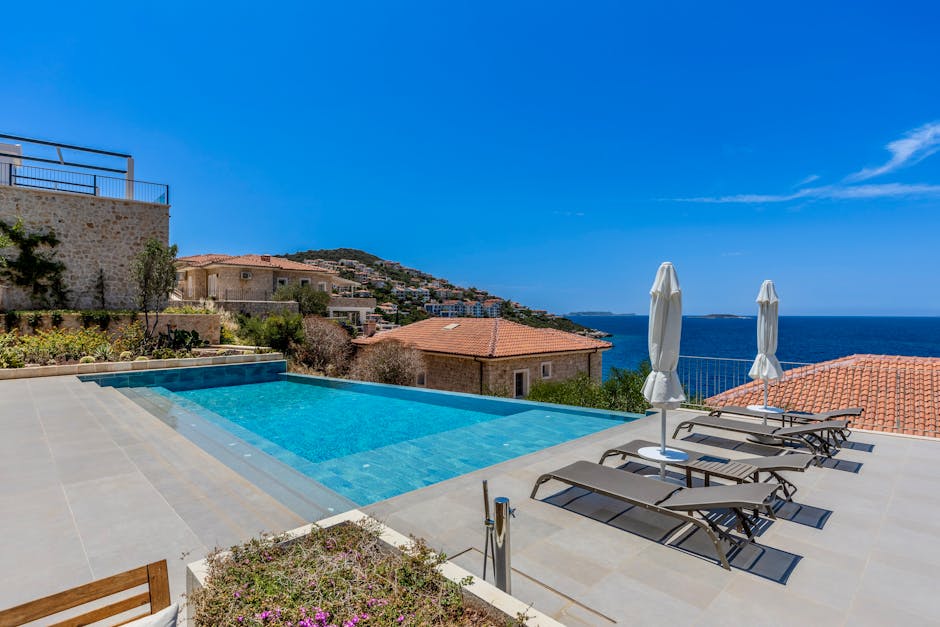
Guests rarely pay only for proximity to the beach. They pay for visual access to the coastline: the horizon line, the play of light at sunset, the feeling of openness. A property can be a short walk from the sea yet offer no real view because of surrounding buildings, trees, or terrain. Another home might sit higher up, farther from the waterfront, but deliver an uninterrupted panorama that feels private and expansive.
That difference becomes a clear pricing factor because guests tend to value the view across the entire day, not just during beach hours. A great sea view can compensate for a slightly longer walk, a smaller pool area, or a less central location—up to a point.
What “sea view” actually means to guests
The phrase “sea view” is widely used, but guests make decisions based on specifics. The market generally splits views into practical categories, even if listings describe them poetically:
- Full sea view: a wide, open outlook where the sea dominates the scene from the main living area or terrace.
- Partial sea view: visible water, but framed by roofs, trees, or a narrow angle.
- Side sea view: you can see the sea if you lean or step to one side.
- Sea glimpse: technically visible, but not a feature you would choose as the main reason to book.
When expectations and reality diverge, perceived value drops fast. Guests are willing to pay a premium, but they also expect clarity: where the view is visible from (bedroom, living room, balcony), how much of the day it matters (sunrise, sunset), and whether it is likely to be blocked by seasonal foliage or neighboring construction.
Location, elevation, and orientation: the hidden drivers of value
A sea view is shaped by geography as much as by design. Elevation can be an advantage, but only if access remains comfortable—steep climbs, limited parking, or tricky roads can reduce the benefit for families and older travelers. Orientation is equally decisive: west-facing views often carry a stronger holiday appeal because they promise sunset moments, while south-facing terraces can feel warmer outside the hottest months.
The area matters, too. In destinations where the coastline is densely built, a protected sightline becomes scarce, and scarcity pushes demand. In quieter coastal pockets, a similar view might come at a softer rate because more homes can offer it. Guests sense that difference intuitively: they compare photos, map positions, and the “feel” of the neighborhood, not just the distance to the beach.
Why two similar homes can have very different pricing
Guests often compare two properties with the same capacity and wonder why the price gap is so large. The sea view is one reason, but not the only one. The premium usually reflects a bundle of elements that amplify each other:
A well-designed terrace turns the view into a usable room. Floor-to-ceiling glass makes the outlook part of the interior. A private pool positioned toward the sea multiplies the perceived luxury. Even a small detail—like outdoor dining lighting or wind protection—can convert a nice view into an evening routine guests will pay for.
In other words, guests don’t pay for “view” as a standalone feature; they pay for how the home lets them live in it.
Timing and seasonality: when the view becomes worth more
Pricing for sea-view accommodation is highly sensitive to time. In peak summer weeks, the view premium rises because guests expect to spend more hours outdoors, and availability shrinks. In shoulder season, the view can still matter, but priorities shift toward indoor comfort, heating, wellness amenities, and flexible check-in—factors that can narrow the gap between sea-view and non-sea-view homes.
This is also why deals and discounts feel different depending on the season. A reduced rate in a high-demand period can disappear quickly, while a similar discount in a quieter month may signal a broader pricing strategy rather than a rare opportunity.
The guest’s real cost: what they trade, not only what they pay
The real “cost” of a sea view is not always the nightly price. Guests trade something to get it: a smaller room size, fewer steps to the old town, less shade on the terrace, or a longer drive to a sandy beach. Understanding this trade-off helps travelers choose the right value, not just a lower number.
A sea-view holiday let is usually best value for guests who plan to spend time at the property—couples, families with young children, remote workers, and anyone who wants slow mornings and long evenings “at home.” For travelers who treat the accommodation mainly as a base between excursions, the premium can feel unnecessary, especially if the destination offers plenty of scenic viewpoints outside the property.
How to judge sea view value before booking
Photos are the starting point, but smart guests look for signals that reduce uncertainty:
Check whether the view appears from multiple angles, not just one hero shot. Look for daytime variety—morning light versus sunset. Confirm whether the main living space faces the sea or only a secondary balcony. Pay attention to nearby structures that could affect privacy. If the listing shows the terrace frequently, that usually means the host understands the view is a central feature and has designed the space accordingly.
On platforms that curate coastal stays across Croatia, sea-view collections are useful because they reduce search time and help guests compare like-for-like properties in the same location and price range, rather than mixing true panoramas with minor glimpses.
For owners: the sea view as an investment feature
From an owner’s perspective, a sea view is one of the strongest long-term features a coastal property can have because it tends to support demand across years and justify a higher rate when the home delivers the experience consistently. Still, the view alone does not guarantee a premium. The market rewards accuracy, quality, and usability: clear presentation, thoughtful outdoor living, and dependable comfort.
That is why professional property management, multi-channel marketing, and guest support matter disproportionately for sea-view homes. When guests pay for a view, they are paying for a feeling—and they expect the entire stay to protect it, from seamless check-in to quiet nights and well-maintained spaces where the sea remains the main character.