
A beach in Croatia can look effortless at first glance: clear water, smooth stone underfoot, pine shade above, and a calm rhythm that seems to unfold on its own. Yet anyone who spends more than a day on the Croatian coast quickly notices that local beach culture follows a set of quiet social rules. They are rarely written down, but they shape how people choose a spot, share space, swim, rest, and enjoy summer by the sea.
Understanding these habits makes the experience smoother, more respectful, and far more authentic, whether you are staying in a lively town, on a quiet island, or along a remote stretch of coastline. For broader travel inspiration, the Croatia travel blog offers helpful ideas for planning your stay.
Space matters more than noise
One of the first things visitors notice at a Croatian beach is that people value personal space. Even in a busy area, locals usually try not to settle too close to someone else if there is another option nearby. On a wide beach, placing your towel directly beside another group when the rest of the shore is open can feel intrusive.
This is especially true on the Croatian coast, where many beaches are narrow, rocky, or divided into small natural coves. The best way to blend in is simple: look around, read the distance others are keeping, and follow that pattern. It is less about strict etiquette and more about showing awareness of the shared place.
Noise follows the same logic. Conversation is welcome, children playing in the water are expected, and beach cafés often create a relaxed atmosphere. Still, loud music from personal speakers is often seen as inconsiderate, especially in smaller bays where sound carries easily across stone and sea.
The best spot is earned early
During summer, timing is part of beach culture in Croatia. Locals know that the best spot, whether it offers morning sun, afternoon shade, easy sea access, or a flat rock for towels, is rarely available late in the day. People often arrive earlier than many tourists expect, especially in popular destinations on the coast and on well-known island beaches.
This habit is not just about competition. It reflects the climate itself. On hot days, earlier hours are more comfortable, the water is calmer, and the beach feels less crowded. By midday, the sun becomes intense, especially on exposed parts of the coastline with little natural cover.
That is why shade carries real value. A patch under pine trees can become the most desirable place on the beach. If you find one, use it respectfully and avoid spreading out more than necessary. If someone has clearly organized their things neatly in a small shaded area, that usually signals that the space is already claimed.
Water shoes are not a fashion mistake
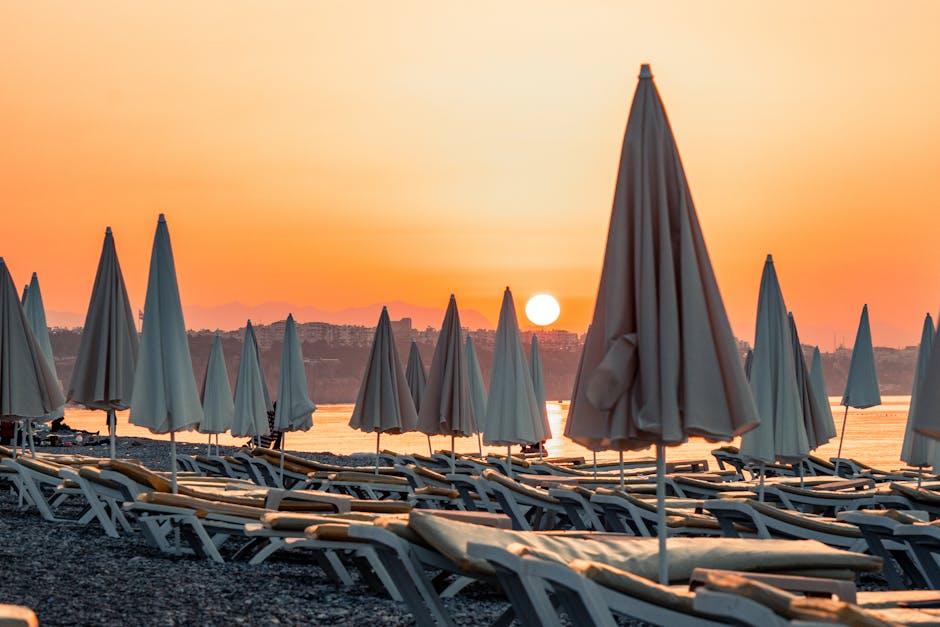
Many visitors imagine sand when they think of a beach in Europe, but Croatia often offers pebbles, rocks, stone platforms, and concrete sunbathing areas instead. On much of the Croatian coast, entering the sea can be slippery or uneven, and sea urchins may appear in certain places.
Because of that, water shoes are practical, common, and completely normal. Locals wear them without hesitation. Bringing them is not a sign that you are inexperienced; it shows that you understand the terrain. The same applies to padded mats, foldable chairs, and umbrellas on beaches with limited comfort infrastructure.
This practical attitude defines much of beach culture in the country. Croatian people often approach the beach as a full-day outdoor ritual rather than a quick swim. They come prepared for sun, stone, salt, and changing wind, and that preparation is part of the rhythm of the day.
The sea is for swimming, not showing off
The sea plays the central role in any summer day on the Croatian coast. People do not only sit by the water; they use it constantly. A typical local pattern includes arriving, settling in, taking a first swim, drying off, chatting, going back into the sea again, and repeating the cycle throughout the day.
There is also an understated style to how people move through the water. Diving, floating, snorkeling, and long, relaxed swims are common. What stands out less is performance. At many local spots, beach culture feels calm rather than theatrical. The emphasis is on comfort, cooling down, and enjoying the sea naturally.
This is one reason why even famous beach areas in Croatia can still feel grounded. The experience is often less about spectacle and more about being present in the landscape: the salt on skin, the glare of the sun on stone, and the deep clarity of the water, much like the settings featured in Croatian beaches.
Respect the beach bar, but do not depend on it
On some parts of the coast, especially near larger tourist centers, a beach bar shapes the social scene. In other places, there may be nothing except rock, sea, and a narrow path down to the shore. Locals are used to both.
A common unspoken rule is to be self-sufficient. Bring enough water, something light to eat, and whatever you need for a few hours in the sun. Do not assume that every beach in Croatia will have showers, changing cabins, or nearby shops. Even a popular spot can remain fairly undeveloped.
At the same time, if you do use a beach bar or café, a little patience goes a long way. Service at the beach often follows the pace of summer rather than the urgency of a city. That slower tempo is part of the atmosphere, especially in a smaller town or on an island where the day is shaped more by heat and light than by schedules.
Cleanliness is a shared responsibility
One of the strongest unwritten rules on the Croatian coastline is simple: leave the place as you found it. Beaches are treated as shared natural spaces, not disposable leisure zones. Even where bins are available, many people pack their waste and take it with them, especially on quieter stretches of coast.
This attitude extends beyond litter. It includes avoiding cigarette butts between stones, not disturbing marine life in shallow water, and not treating secluded coves as private property just because they feel hidden. A beautiful beach remains beautiful only when everyone acts as if it belongs to the next person too.
That quiet awareness may be one of the most important parts of beach culture in Croatia. It reflects the relationship between local people and the sea: familiar, respectful, and deeply tied to place. On an island cove, in a historic town, or along a broad Adriatic shore, the unwritten rules are less about restriction than about balance, allowing every day at the beach to feel natural, shared, and easy.