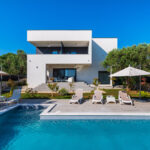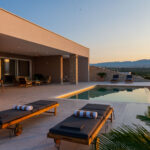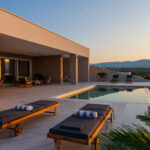
The future of luxury tourism in Croatia will depend on how well beautiful places are matched with thoughtful hospitality. An Adriatic sea view creates a powerful first impression, but lasting value comes from privacy, comfortable accommodation, reliable service and experiences that connect guests with their destination.
Croatia has the foundations for this approach: historic coastal towns, islands, distinctive regional food and landscapes that extend far beyond the beach. The opportunity is to turn these strengths into carefully managed stays that respect both visitors’ time and the places they come to enjoy.
Luxury accommodation with a stronger sense of place
A private pool and spacious terrace can make a holiday comfortable, but architecture, surroundings and daily routines give a property its character. A restored stone house in Istria offers a different experience from a contemporary villa overlooking the Dalmatian coast or an apartment in a historic town.
Meaningful luxury begins with a good match between the guest and the property. Families may prioritise bedroom layouts, shaded outdoor areas and easy access to shops. Couples might prefer seclusion, while groups travelling together need communal spaces alongside private rooms.
Clear descriptions will therefore remain essential. A sea view does not necessarily mean direct beach access, and an island address may involve additional transfers. Accurate photographs, transparent inclusions and practical location details help travellers choose accommodation confidently.
Personal service that makes travel easier
The strongest luxury travel experiences often depend on arrangements guests barely notice. An airport transfer meets the flight, someone explains how the house works, and help is available when plans change.
For villa and apartment stays, professional management can provide this continuity. Maintenance, housekeeping and responsive guest support shape the quality of a visit as much as interior design. Additional services, such as a private chef or boat excursion, work best when availability, pricing and arrangements are clear before arrival.
Technology can simplify booking and communication, but accessible human support remains central to hospitality. A guest dealing with a delayed arrival needs a practical solution and someone who understands the local situation.
Experiences rooted in Croatian destinations
Croatia’s regional variety gives luxury tourism room to develop beyond familiar sightseeing itineraries. Dubrovnik offers a setting for exploring architecture and maritime history, while Istria brings together hilltop towns, wine and food traditions. Kvarner combines island landscapes with coastal destinations, and inland Croatia creates possibilities for countryside stays.
The value of an experience lies in its depth and pacing. A winery visit becomes more memorable when there is time to understand the producer’s work. A guided town walk can reveal details that disappear in a crowded schedule.
Private excursions should offer flexibility without promising unrestricted access. Rules at Croatia’s national parks, weather conditions and local opening hours still shape what is possible. Good planning gives guests a realistic itinerary with room to enjoy each stop.
A broader season for luxury tourism
Developing tourism across more of the year offers opportunities for a wider range of holidays. Spring and autumn can suit walking, cultural visits and food-focused travel, although weather and service availability vary by destination.
Extending the season requires more than keeping accommodation open. Guests need dependable transport, restaurants, activities and suitable indoor spaces. A villa intended for cooler months should offer effective heating and comfortable living areas; pool heating and its cost should be explained separately.
For travellers, the benefit is greater choice. A coastal city break, an inland retreat and a summer island holiday each serve different expectations. Successful destinations will make those differences clear.
Sustainability as part of everyday comfort
The landscapes that attract visitors also need careful management. Water use, energy consumption, waste and pressure on local infrastructure all matter when developing premium accommodation.
Credible sustainability is demonstrated through specific practices. Efficient cooling, maintained water systems, refillable amenities and responsible purchasing are more informative than broad environmental claims. Thoughtful renovations can also preserve architectural character while improving comfort.
Local partnerships strengthen the connection between a stay and its surroundings. Employing local professionals and sourcing food from nearby producers can help tourism spending support the community guests have travelled to experience.
Trust as a defining feature of premium stays
For platforms such as Tourist Adria Group, the opportunity lies in connecting accommodation choice with dependable organisation. Curated collections of luxury villas in Croatia help guests narrow their search, while transfers, excursions and ongoing support can make the stay easier to manage.
That promise becomes tangible in the details: whether a garden is enclosed for a pet, how many steps lead to the entrance, what housekeeping includes and who responds to an evening maintenance issue. Luxury feels convincing when the experience consistently matches what was promised before booking.