
For many pet owners, a holiday starts with one essential question: can the dog come too? The answer influences the destination, the accommodation and the activities a family can enjoy together. A beautiful villa or comfortable hotel room may lose its appeal if bringing a pet involves unclear restrictions or impractical arrangements.
Pet-friendly accommodation makes travelling together possible, but its influence extends beyond allowing animals through the door. It encourages tourism businesses to rethink property design, booking information and the everyday details that shape a guest’s experience.
A different approach to choosing a holiday
Travelling with a pet changes how people evaluate accommodation. Alongside price, location and comfort, a dog owner needs to consider outdoor access, nearby walking routes and enough space for their animal to settle.
These requirements can affect the whole group’s decision. A family may choose a quieter coastal apartment over a central hotel because walks are easier. Friends might favour a countryside house with an enclosed garden because it suits both shared meals and time outdoors.
For accommodation providers, this creates another way to compete. A property does not always need the most spectacular view to be the right choice. Practical suitability can carry considerable weight when guests are planning around a pet’s daily routine.
From accepting pets to supporting their stay
There is a meaningful difference between permitting pets and preparing for them. Permission answers the initial booking question; thoughtful facilities determine how comfortable the holiday feels.
Useful features can be straightforward: washable floors, accessible outdoor space, water bowls and a suitable place for a pet bed. In a holiday rental, an enclosed garden may be particularly appealing, although descriptions should explain the fencing rather than imply that every animal will be secure.
Specific information is more useful than a general “pet-friendly” label. Guests need to know which animals are accepted, whether limits apply and where pets can accompany them.
A clear listing should explain:
- Any restrictions on pet numbers, size or species.
- Additional charges and how they are calculated.
- Rules for shared spaces, furniture and pools.
- Whether pets may remain alone in the accommodation.
Making these details available before booking helps guests judge suitability and gives the owner a clear basis for managing expectations.
Pet-friendly travel connects accommodation with the destination
A successful stay depends on more than the property itself. Guests also need somewhere to walk, places to spend time together and practical options for meals and outings.
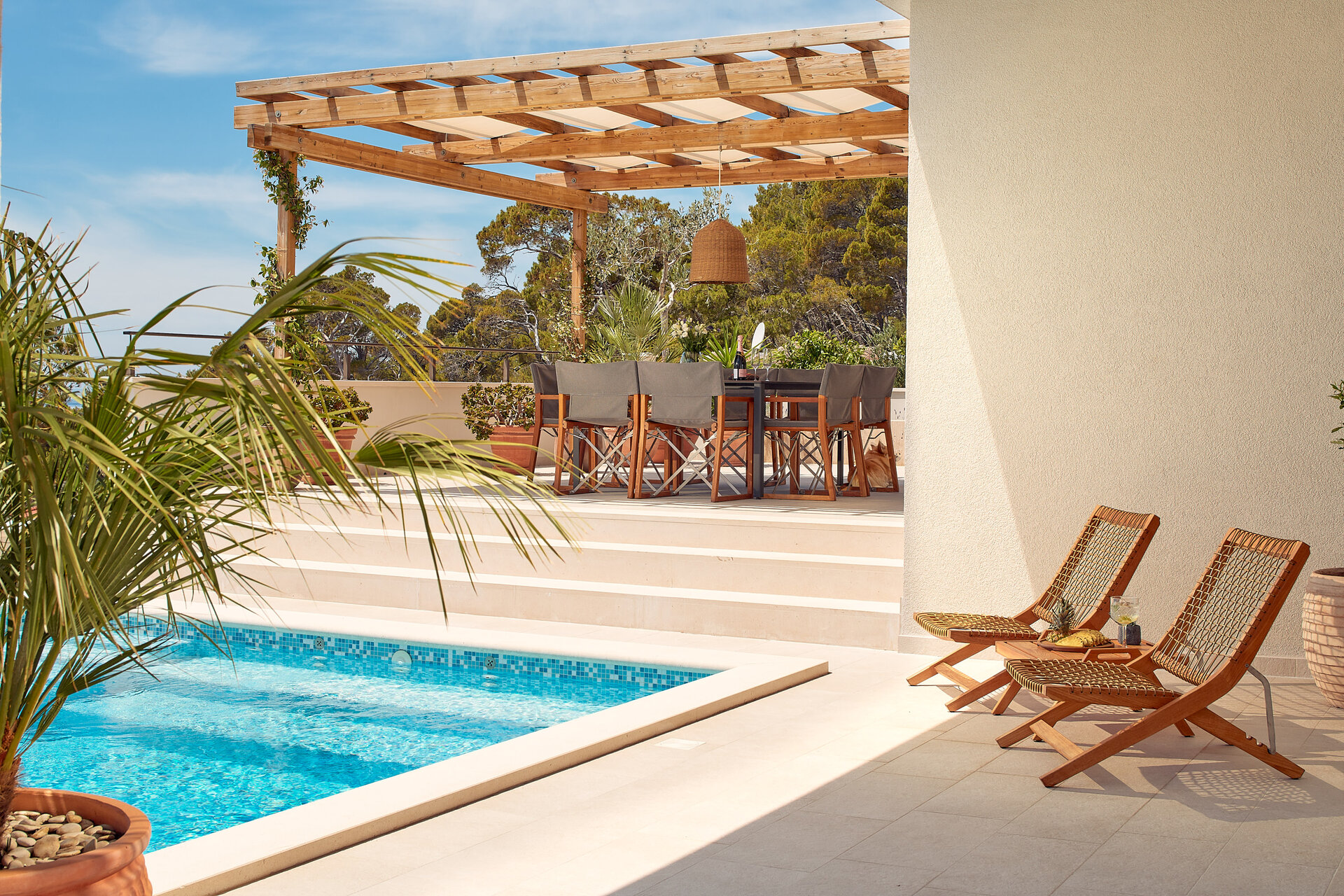
In Croatia, this makes local knowledge valuable across Dalmatia, Istria, Kvarner and inland destinations. A coastal stay involves checking which nearby beaches allow dogs. A rural holiday requires understanding walking access, surrounding terrain and whether outdoor areas are shared.
Accommodation providers can improve the experience by supplying accurate directions to suitable walking areas and explaining local access rules. Information about nearby veterinary services and pet supply shops adds practical reassurance.
The same attention should extend to organised services. A transfer or excursion should only be described as suitable for pets when the operator has confirmed the arrangements. One restrictive part of an itinerary can affect an otherwise carefully planned holiday.
New opportunities and responsibilities for property owners
Welcoming pets opens a property to travellers whose accommodation choices depend on bringing an animal. However, accepting pets does not automatically produce more bookings or higher returns.
Owners need to consider cleaning time, maintenance, outdoor security and the comfort of neighbouring guests. Durable furnishings, washable covers and consistent housekeeping procedures can make the service easier to deliver.
Charges should reflect a clearly explained service or cost. Unexpected fees can undermine trust, particularly when a guest has already selected a property because it appears to meet their needs.
For professionally managed rentals, consistency matters across every booking channel. The advertised policy should match what guests encounter on arrival, including the permitted number of animals and any conditions agreed before the stay.
A broader understanding of luxury hospitality
Pet-friendly accommodation also expands what luxury can mean. Privacy, generous space and attentive service become more valuable when they allow the entire household to relax together.
Within a portfolio such as Tourist Adria Group’s villas, apartments and distinctive Croatian stays, pet-friendly collections can help travellers narrow their search. Individual property details then establish whether a particular home suits their plans.
The most memorable touches are often practical: a shaded terrace for resting after a walk, an easy route outside in the morning, or a host who has already clarified where the dog is welcome. These details make the stay feel considered, allowing guests to settle into the ordinary pleasures of their holiday.