Premium accommodation along the Croatian coast is moving beyond traditional ideas of luxury. An impressive room, private pool or beachfront location remains important, but discerning guests increasingly expect privacy, distinctive design, personalised service and a meaningful connection with the destination.
Dalmatia, Istria and Kvarner are central to this evolution. In 2025, these regions were among Croatia’s leaders in overnight stays, while Dubrovnik and Split remained among the country’s most visited destinations. National tourism development is also placing greater emphasis on premium, sustainable and year-round travel. (mint.gov.hr)
Private villas are redefining luxury in Croatia
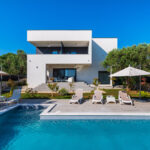
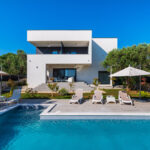
Private villas have become a strong alternative to the conventional luxury hotel. They provide space, seclusion and flexibility while retaining services commonly associated with an upscale resort.
Modern premium properties increasingly offer:
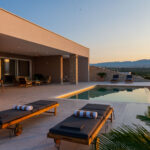
- heated swimming pools and landscaped outdoor areas
- panoramic views of the sea or countryside
- en-suite bedrooms for greater privacy
- summer kitchens and outdoor dining spaces
- wellness facilities, gyms or saunas
- concierge assistance, transfers and private excursions
This format particularly appeals to families, groups of friends and guests planning longer stays. Instead of booking several hotel rooms, visitors can share one carefully designed property without sacrificing personal space.
In Dalmatia, demand is naturally connected to the coast, beaches and islands. Villas near Split or Dubrovnik allow guests to combine privacy with access to restaurants, cultural landmarks and the atmosphere of an old town. Island accommodation adds another level of exclusivity, especially when paired with a private mooring, boat transfer or unobstructed sea view.
Heritage and contemporary design are becoming inseparable
Luxury no longer means that every property must look the same. Travellers increasingly value accommodation that reflects the architectural identity of its location.
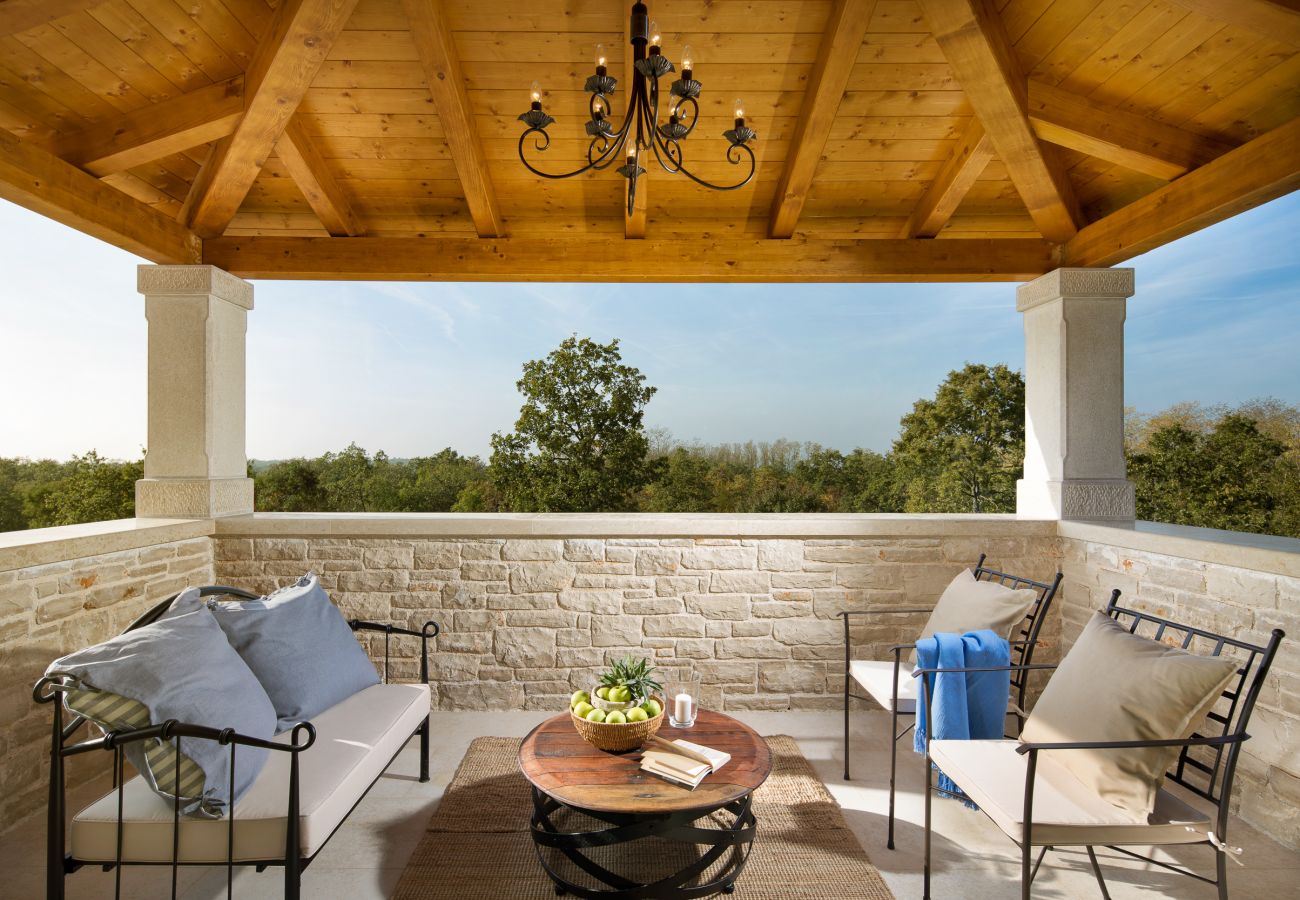
In Istria, restored stone houses, rural estates and former farm buildings are being transformed into refined holiday homes. Original walls, wooden beams and traditional shutters are often paired with minimalist interiors, modern kitchens and elegant lighting. The result is a boutique experience rooted in local heritage.
Dalmatian properties follow a similar direction, using pale stone, shaded terraces and Mediterranean gardens to create a natural relationship between indoor and outdoor areas. In Kvarner, historic villas and elegant residences recall the region’s long hospitality tradition while introducing contemporary comfort.
Authenticity has become part of premium design. Guests want to recognise where they are, whether their stay is in an Istrian hill town, beside a Kvarner beach or within reach of Dubrovnik’s historic centre.
Personalised service shapes the guest experience
Quality facilities may attract attention, but service often determines whether a stay feels genuinely luxurious. Premium guests expect clear communication before arrival, straightforward check-in and dependable assistance throughout their holiday.
The most valued services include organised airport transfers, restaurant reservations, private chefs, boat trips and recommendations tailored to individual interests. Families may need child-friendly equipment, while visitors travelling with pets often look for fenced gardens, suitable beaches and nearby walking routes.
This shift is also changing property management. Professional presentation, accurate descriptions, secure payments and responsive support are becoming essential components of high-end hospitality. A beautiful property cannot maintain its position in the luxury market if the booking and arrival process feels uncertain or impersonal.
Istria is strengthening its gourmet and rural appeal
Istria’s premium accommodation is closely connected with wine, olive oil and truffles, as well as destination restaurants. Guests often select a villa or boutique hotel not only for the room itself but also for access to local gastronomy and peaceful inland towns.
This creates demand for stays that combine privacy with curated experiences such as winery visits, chef-led dinners and cycling routes. Coastal resorts around Rovinj, Poreč and nearby areas remain attractive, but rural properties offer a quieter form of luxury based on landscape, food and atmosphere.
Kvarner combines resort comfort with island character
Kvarner occupies a distinctive position between established resort hospitality and relaxed island travel. Opatija provides grand architecture, wellness traditions and refined hotel service, while islands such as Krk, Cres, Lošinj and Rab offer beaches, walking trails and intimate coastal communities.
Premium accommodation in the region increasingly includes wellness features, heated pools and flexible spaces suitable for spring and autumn visits. This reflects a broader effort to reduce dependence on the busiest summer weeks, which still account for a particularly high share of Croatia’s annual tourism activity. (ec.europa.eu)
Sustainability is becoming a mark of quality
Energy-efficient cooling, solar power, responsible water use and locally sourced materials are becoming more relevant to guests and property owners. These features are most effective when integrated discreetly, without reducing comfort.
The strongest premium properties combine environmental responsibility with practical luxury: natural shade, high-quality insulation, thoughtful landscaping and durable regional materials. Across Dalmatia, Istria and Kvarner, this approach supports a more refined form of tourism—one in which design, heritage, service and the character of the Croatian coast carry as much value as size or price.