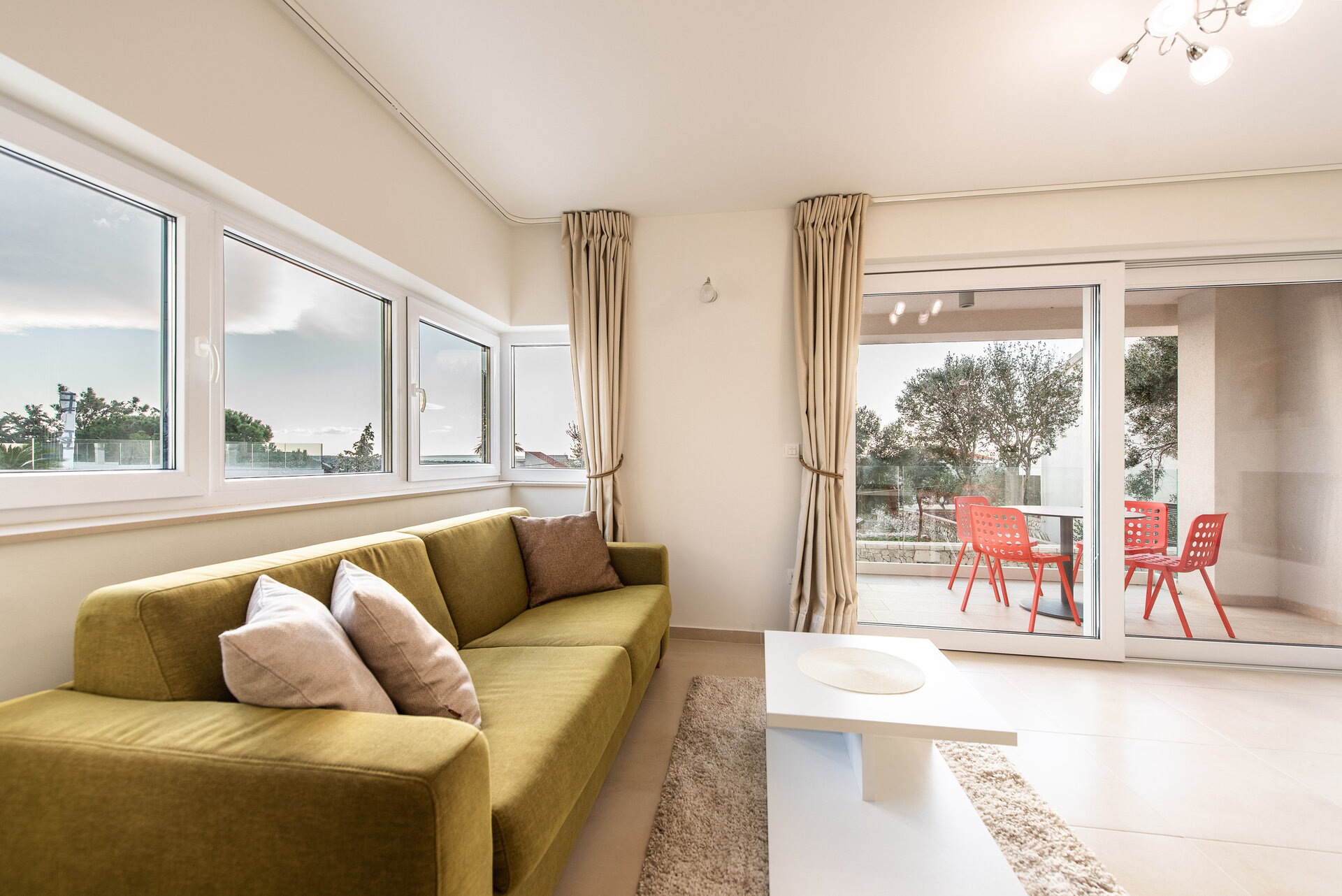
Luxury accommodation shapes more than where you sleep. It influences how you spend your mornings, share time with others, and enjoy the destination around you. A luxury hotel brings guest rooms, dining, and leisure facilities together within a professionally serviced environment. Private luxury accommodation offers a more independent setting, often with living areas and outdoor space reserved for your group.
The main difference lies in how space, privacy, and service are organised. Both options can deliver a memorable stay, but they suit different expectations and travel styles.
Space and privacy: a room or an entire property
In a luxury hotel, your room or suite is your personal retreat. Beyond it, restaurants, swimming pools, lounges, and wellness areas are generally shared with other guests. This arrangement creates a social atmosphere, although the level of privacy varies with the hotel’s size and layout.
A private villa typically gives your group exclusive use of the rented property, including the living room, kitchen, and any outdoor areas specified in the listing. Separate bedrooms and communal spaces allow guests to spend time together while keeping their own routines.
Private accommodation also includes apartments and individual units within larger buildings. A private booking does not automatically mean a secluded property or an exclusive pool. Shared entrances, neighbouring terraces, and communal amenities can all influence the experience.
For families and groups, the practical difference often becomes clear in the evening: one person can read on the terrace while others prepare dinner or settle children into bed.
Service: immediate access or individual arrangements
How luxury hotel service works
A luxury hotel usually provides an established service structure. Reception, housekeeping, and on-site dining make it easier to manage everyday needs without organising separate providers.
Guests can often request assistance within the building, although operating hours and the range of services vary. Spa treatments, room service, parking, and certain activities may carry additional charges.
This format suits a traveller who values convenient access to staff and prefers meals and leisure facilities close to their room.
How service works in private luxury accommodation
Service in a private property depends on the individual rental and its management. Some stays centre on independent living, with cleaning before arrival and support available when needed. Others offer housekeeping during the stay, concierge assistance, or services such as a private chef by arrangement.
Here, luxury can mean having support adapted to your schedule. However, personalised service should be confirmed before booking, including availability, notice requirements, and additional costs.
Tourist Adria Group combines its accommodation offering with 24/7 customer support, organised transfers, and curated excursions. When comparing properties, guests should still check which services are included and which require separate arrangements.
Amenities: variety versus exclusive use
Hotels can bring several amenities together: a gym, spa, restaurant, bar, and swimming pool may all be accessible within the same setting. Their appeal lies partly in that variety.
A villa may offer fewer facilities but give your group exclusive use of them. A private pool or outdoor dining area can become the centre of the day, with less need to coordinate around other guests.
Look closely at descriptions. A pool is not necessarily heated, and a property described as having wellness facilities may offer a sauna rather than a staffed spa. Likewise, beachfront accommodation and accommodation with a sea view provide different relationships with the coast.
Atmosphere and connection to the destination
A hotel’s atmosphere is shaped by its architecture, staff, public spaces, and fellow guests. Dining and leisure activities often form part of a shared daily rhythm.
Private luxury accommodation creates a more domestic environment. Shopping for local ingredients, preparing breakfast, and returning to the same terrace each evening can become part of the travel experience.
In Croatia, the setting adds another dimension. An apartment in a coastal town, a countryside house in Istria, and a villa in Dalmatia each offer a different pace of stay. Location, nearby buildings, and access to everyday essentials matter as much as interior style.
Comparing the cost of your stay
Compare the total cost for the whole group across the same dates. Several hotel rooms may be priced differently from a single villa accommodating everyone, but neither option is automatically better value.
Check meals, cleaning, parking, transfers, deposits, and optional services. For private accommodation, confirm that the bedroom arrangement provides suitable beds and privacy for every guest. For a hotel, check whether connecting rooms are guaranteed if your group needs them.
When choosing the perfect accommodation, the useful comparison is what the booking provides for your actual routine: breakfast prepared for you, space for shared meals, regular housekeeping, or a terrace where everyone can sit together comfortably.